Skip to content

How a B2B Data Provider Improved Sales Execution Efficiency to Gain Real-Time Pipeline Control with HubSpot

Technology 11-50 Employees Sales Hub | Marketing Hub
How a B2B Data Provider Improved Sales Execution Efficiency to Gain Real-Time Pipeline Control with HubSpot
Background-icon

Background

BlackHawk Data is a B2B data and technology services provider serving clients across North America. As a sales-driven organization, HubSpot functions as their central system for managing the pipeline, tracking opportunities, and coordinating between sales and marketing teams.
Problem-icon

Problem

The company depends on accurate, accessible data to manage a complex sales process, but their HubSpot implementation wasn't delivering the visibility leadership needed to forecast confidently or manage performance effectively. Leadership was operating in the dark. Without clear insight into what was happening across the sales organization, three critical risks were escalating:


  • Sales Activity Was Invisible to Management: The sales team relied on personal cell phones for all client conversations. No calls were logged in HubSpot. No recordings existed for coaching or quality control. Management had no way to know what was being communicated, how often reps were reaching out, or which deals were receiving attention. The lack of visibility made performance management guesswork.


  • Pipeline Reporting Was Unreliable: Existing reports had been built by former employees, and many had stopped working entirely when those users left the company. Leadership couldn't trust the numbers they were seeing. Deal forecasts were inconsistent. Stage progression wasn't standardized. Sales managers were making decisions based on incomplete or outdated information, creating risk in planning, resource allocation, and board reporting.


  • Workflow Automations Were a Black Box: The account contained workflows that no one on the current team had created or understood. Some were still running. Others had errors. There was no documentation, no audit trail, and no confidence that automations were helping rather than creating data problems. Any attempt to add new processes risked breaking something critical. If nothing changed, the company faced increasing operational friction, unreliable forecasting, and limited ability to scale the sales organization without losing control.
Light-Bulb

Solution

Fixing these issues required more than technical setup. It required strategic prioritization: addressing root causes first, then building reporting and automation on a stable foundation.
We approached the engagement in three parts, designed to restore trust in the system, establish visibility, and prepare the company for growth.
Group 139-2 Group 139-2
NetSuite Integration PS
Group 141 (1)
NetSuite Integration PS
Group 141 (1)
×

Part 1: Uncovering What Was Running & What Was Breaking

  • Conducted a calling system investigation to evaluate native HubSpot calling, Aircall, Kixie, CloudTalk, and JustCall against the company's requirements for call logging, recording, spam prevention, and visibility
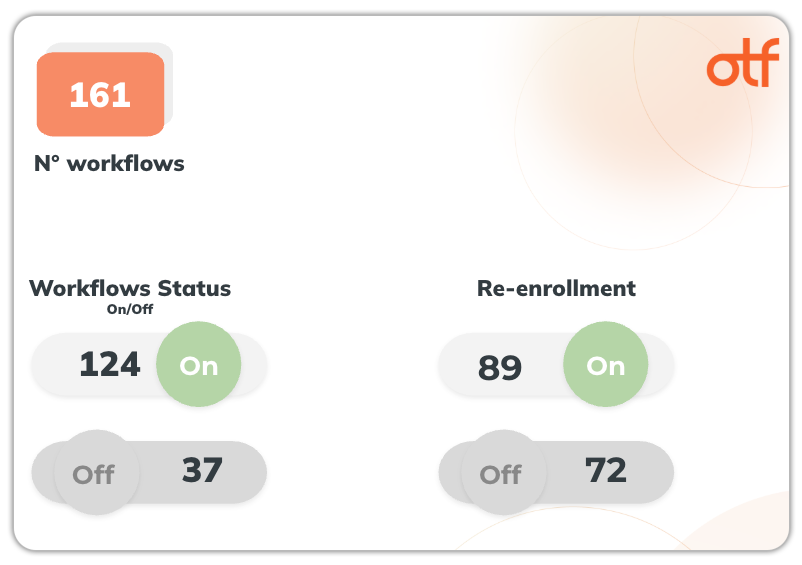
  • Audited all active and draft workflows to document what was running, identify conflicts with planned automations, and flag workflows that were no longer needed or were generating bad data
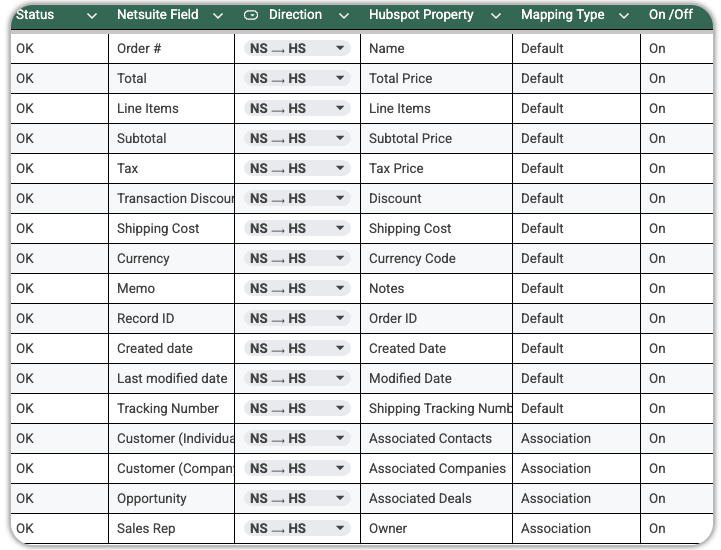
  • Reviewed the NetSuite integration mapping to confirm which properties were syncing correctly and where discrepancies existed between systems
  • Mapped the real-life sales process with leadership and sales managers to understand stage definitions, handoff points, and decision criteria
  • Selected Aircall as the recommended calling solution based on synchronization reliability and anti-spam capabilities

Part 2: Building Real-Time Visibility into Sales Performance

  • Built workflows to automate key stages of the sales process, reducing manual steps and ensuring consistent data capture as deals progressed
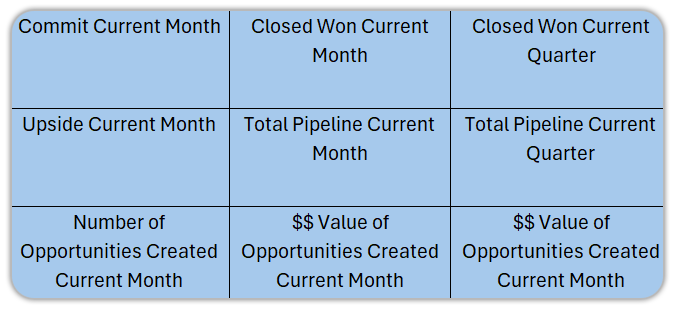
  • Created nine custom sales management reports to track performance by owner, including commit-stage deals, closed-won activity, upside pipeline, and opportunities created by month and quarter
  • Configured a centralized dashboard for the VP of Sales with automated Monday morning delivery to maintain weekly visibility into team performance
  • Replaced incorrect deal-count metrics with accurate stage-based filters to ensure leadership could trust the numbers when making forecasting decisions
  • Fixed broken reporting by reassigning ownership of legacy reports from former employees to active users, restoring automated delivery
Sales Management Reports PS
Group 141 (1)
Sales Management Reports PS
Group 141 (1)
×
Workflows Audit PS
Group 141 (1)
Workflows Audit PS
Group 141 (1)
×

Part 3: Documenting the System for Long-Term Reliability

  • Documented all workflow logic and automation triggers so future team members could understand what was running and why
  • Provided recommendations for suppression list management to prevent email workflows from contacting unqualified or unsubscribed records
  • Established naming conventions and organizational structures for reports and dashboards to maintain clarity as reporting needs expanded
  • Delivered a workflow audit file with detailed recommendations for optimizing, updating, or removing each automation
  • Created a review process for NetSuite mapping to ensure ongoing data accuracy between HubSpot and the ERP system
Vector (3)

Results

Before: Sales activity was untracked, pipeline reporting was broken, and workflow automations were a mystery.
After: Leadership gained real-time visibility into sales performance, reliable forecasting tools, and a documented, scalable HubSpot environment.
 

Financial Impact

  • Increased pipeline predictability: Accurate, owner-specific reporting on commit-stage deals and closed-won activity by month and quarter gave leadership a clear view of what was coming and when, reducing guesswork in revenue planning.
  • Improved forecasting confidence: Replacing unreliable legacy reports with trustworthy metrics meant leadership could use the numbers for planning and board discussions without second-guessing the data.


Operational Impact

  • Improved sales activity visibility: Establishing a calling system strategy that would log all conversations, enable call recording, and eliminate reliance on personal cell phones meant management could finally see what was happening on sales calls and coach effectively.
  • Reduced manual sales work: Automated workflows moved deals through stages based on defined triggers, freeing reps to focus on conversations instead of data entry and reducing the administrative burden on the team.
  • Clearer sales next steps: Mapping and implementing the real-life sales process directly into HubSpot ensured consistency across the team, eliminating confusion about what should happen at each stage.


Strategic Impact

  • Real-time business visibility: A centralized sales management dashboard delivered every Monday morning gave the VP of Sales an at-a-glance view of team performance without having to dig through multiple reports or ask reps for updates.
  • Data-driven decision-making: Audit findings identified which workflows were functioning correctly, which were causing issues, and which could be removed, giving leadership confidence that the system was working for them, not against them.
  • Growth-ready systems: Documented workflows, clean reporting, and a clear understanding of how automations and integrations were configured meant the company could scale the sales organization without losing control or creating new data problems.
Many B2B companies face similar risks when they inherit HubSpot accounts built by people who are no longer with the company. The result is often the same: broken reporting, undocumented automations, and leadership making decisions without reliable data.
 
If your sales leadership is operating without the visibility they need to forecast confidently or manage performance effectively, we can help.
 
 
Book a free consultation to discuss your specific situation.

Others Case studies

Only Using 10% of HubSpot?

You can get these results too:

Group 14 (1) Group 14 (1)