Cell Culture Collective is a B2B life sciences company based in the United States that sells specialized products to research institutions and laboratories. Like many growing companies in regulated industries, they rely on HubSpot as their revenue operations system, connecting sales, marketing, and customer communications.
Problem
Their QuickBooks integration sits at the heart of their billing workflow, making invoice management and customer follow-up critical to cash flow and customer experience.
Revenue Was Leaking Through Manual Invoice Processes: Every invoice required manual follow-up. Sales reps were individually tracking purchase orders, shipping updates, and payment reminders outside HubSpot. Without automation, follow-up timing was inconsistent, and POC contacts weren't reliably associated with invoice records. This created revenue risk: delayed payments, lost visibility on invoice status, and no way to scale the process as deal volume increased.
Leadership Couldn't Trust Their CRM Data: Duplicate contacts and companies had accumulated across the database. First and last name fields were inconsistent; some contacts had full names jammed into one field, while others were in all lowercase or uppercase. Parent-child company relationships were broken. Contacts without email addresses weren't properly segmented for marketing compliance. The result: reports were unreliable, segmentation logic failed, and the team couldn't confidently use HubSpot to make decisions about their pipeline or customer base.
The System Wasn't Ready for What Came Next: The company was evaluating whether to continue using HubSpot or migrate to another platform. But before that decision could be made, they needed clean, exportable data. They also needed their day-to-day operations to work reliably in the interim. And when an accidental bulk deletion removed critical contacts, they realized their data governance processes weren't protecting them from operational risk.
Solution
This wasn't a quick fix project. It required diagnosing root causes across data structure, integration logic, and process design, then rebuilding systems in the right sequence to prevent creating new problems while solving old ones.
×
Part 1: Stabilizing Data Integrity and CRM Trust
Conducted a full audit of duplicate contacts and companies, identifying merge logic based on email equivalence, phone numbers, full names, and domain matching
Executed a controlled deduplication process that preserved all deal associations, retained critical domain records, and maintained parent-child company hierarchies
Cleaned up improperly formatted name fields and segmented non-marketing contacts to ensure compliance and accurate reporting
Restored 16 accidentally deleted contacts with their full association histories, preventing data loss and relationship breakdowns
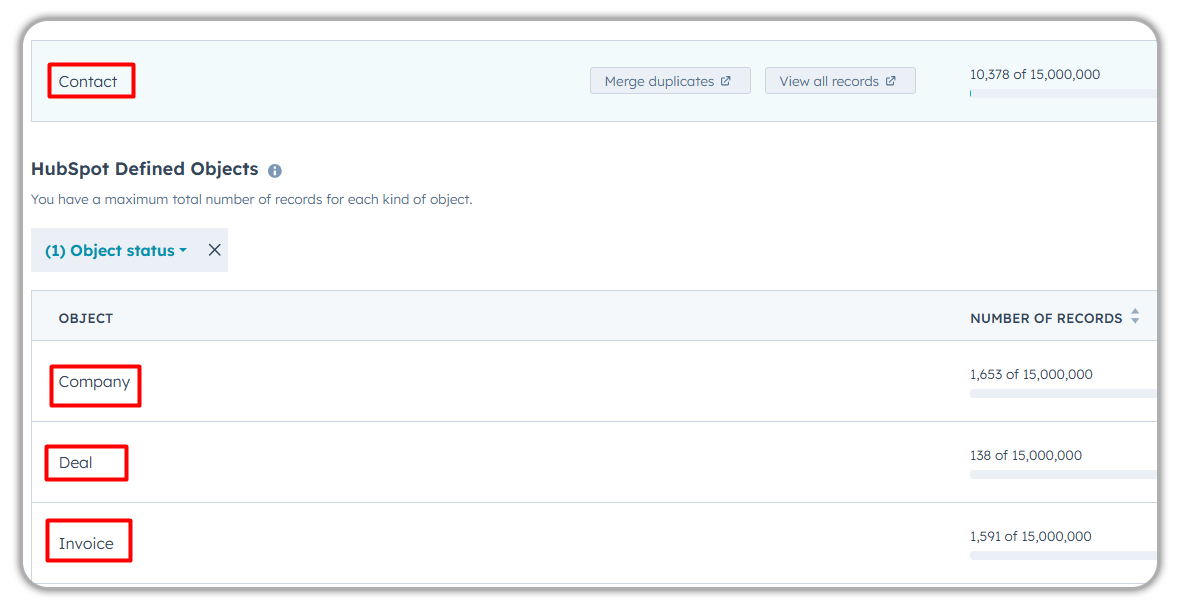
Created data export reports across contacts, companies, deals, tasks, and sequences to give leadership confidence in data portability and business continuity planning
Part 2: Automating Invoice Follow-Up and Eliminating Manual Work
Reviewed and corrected QuickBooks field mapping to ensure custom properties (POC Email, Tracking Number, PO Number) synced accurately into HubSpot invoice records
Set up contact association logic so invoice POC contacts automatically linked to the correct invoice records without manual intervention
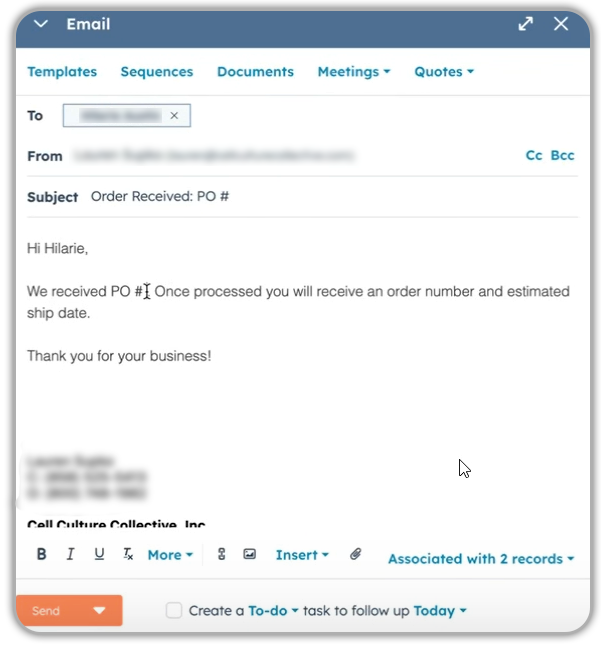
Built three automated workflows triggered by QuickBooks data: PO number receipt confirmation, tracking number shipment notification, and invoice payment follow-up
Ensured workflows used proper enrollment logic and tested email delivery against real invoice scenarios to reduce false positives and ensure reliable execution
×
×
Part 3: Building Consistent Brand Experience and Governance
Configured brand guidelines across HubSpot's visual system (logos, colors, typography, buttons) to align digital touchpoints with company standards
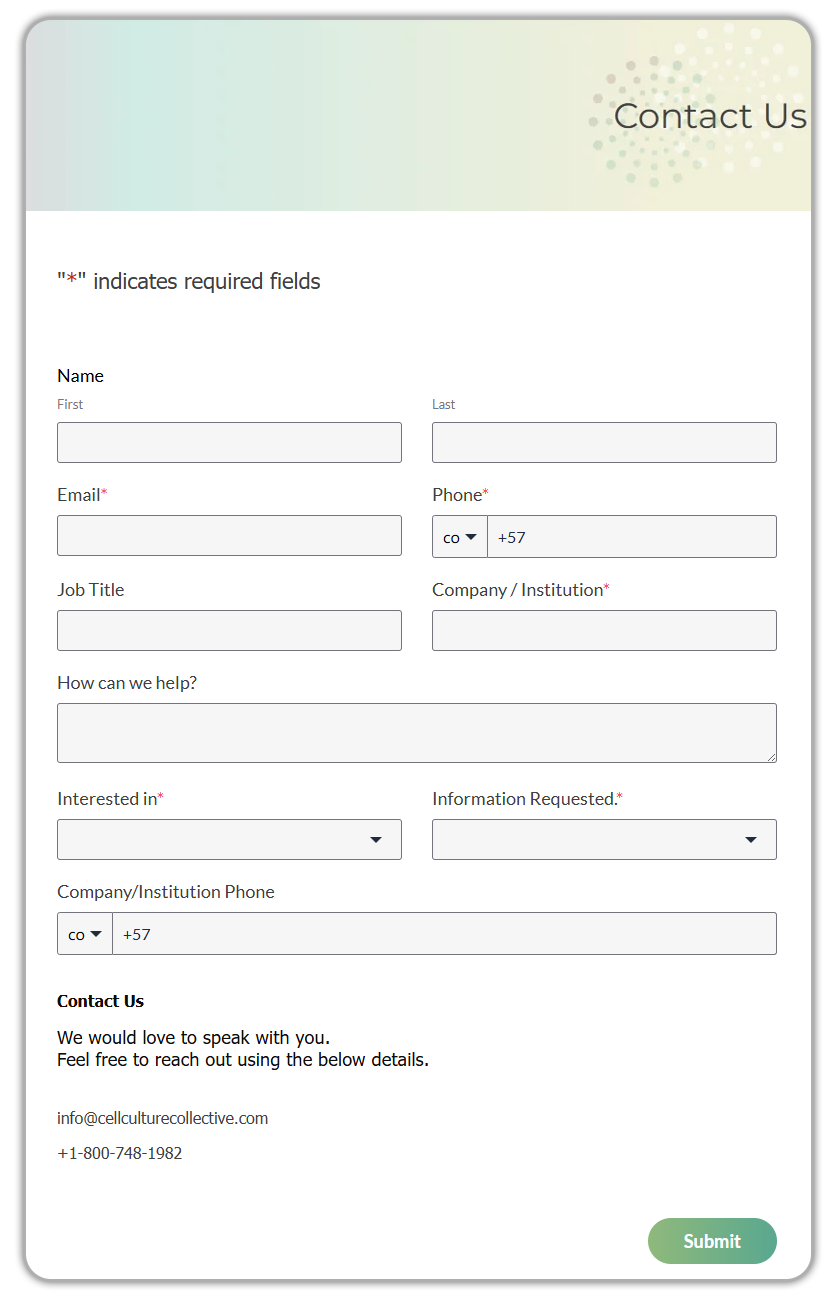
Created a custom Contact Us form with branded styling and product interest fields, ensuring lead capture matched the company's positioning
Established naming conventions and reporting structure to make future data management more predictable and easier to delegate across the tea
Results
Before: Manual invoice follow-up, unreliable CRM data, broken integrations, and no confidence in reporting.
After: Automated customer communications, a clean data structure, and leadership visibility into revenue operations.
Financial Impact
Faster invoice-to-payment cycles: Automated POC notifications and tracking updates replaced manual follow-up, reducing the time between invoice generation and payment collection while ensuring customers received timely communication about purchase orders and shipment status
Reduced revenue leakage: Inconsistent follow-up timing no longer created gaps in customer communication, with workflows ensuring every invoice triggered the appropriate sequence of notifications regardless of team capacity or individual workload
Clear data export capabilities: Leadership gained the ability to extract clean, reliable data across all revenue operations objects, supporting business continuity planning and enabling confident evaluation of platform decisions without fear of losing critical business information
Operational Impact
Eliminated manual invoice follow-up work: Sales reps no longer tracked purchase orders, shipping updates, and payment reminders in spreadsheets or email folders, with QuickBooks-triggered workflows handling the entire communication sequence automatically
Improved follow-up consistency: Workflow automation ensured every invoice with a PO number or tracking update triggered customer communication at the right time, replacing judgment calls and manual tracking with systematic execution
Restored critical customer relationships: When accidental deletion threatened to break customer associations and communication history, the restoration process recovered 16 contacts with full relationship context intact, preventing potential revenue loss and customer confusion
Strategic Impact
Growth-ready systems: As deal volume increases, the automated invoice workflow infrastructure scales without requiring proportional increases in manual work, while clean data structure supports adding team members without inheriting legacy data problems
Marketing compliance confidence: Proper segmentation of non-marketing contacts protected the company from compliance risk while ensuring marketing campaigns reached only appropriate audiences, eliminating the liability of unclear contact categorization
Data portability and governance: Export reports and restoration processes established during the project created a foundation for ongoing data governance, ensuring the business maintains control over its customer and revenue data regardless of future platform decisions
If your revenue operations depend on clean data and reliable automation, but you're managing workarounds, duplicates, and manual follow-up instead, you're not alone. Most companies at this stage face similar risks.
We help businesses like yours build HubSpot systems that support growth instead of creating friction





.svg)
.png?width=60&height=46&name=Vector%20(3).png)