How a Telecommunications Distributor Achieved Sales Execution Efficiency and Eliminated Lead Leakage with HubSpot
Telecommunications
11-50 Employees
Sales Hub
Background
TiniFiber is a B2B telecommunications distributor specializing in fiber optic cables and connectivity solutions. Operating across multiple U.S. regions with a distributed sales team, the company serves enterprise customers through a consultative sales process that moves from discovery through design, quoting, and negotiation.
Problem
Their Pipedrive setup wasn't scaling with their regional expansion, but the full scope of the problem only became clear when they mapped their actual sales process against what their CRM could support. The system was structurally incompatible with how a multi-regional sales organization needs to operate, and every workaround they'd built to compensate was creating new points of failure.
- Leads Were Disappearing Between Capture and Assignment: When leads came in from trade shows like BICSI Winter or website forms, there was no automated way to route them to the right regional manager based on geography. Sales reps manually checked for new leads, creating delays and territory disputes. High-value prospects from competitive events sat unworked for days. The cost: missed conversion windows in a market where response time determines whether you win the bid or lose to a faster competitor.
- Sales Activity Was Invisible to Leadership: Without reporting infrastructure, leadership had no way to answer basic questions: Which regions were performing? How many deals were stuck in quoting? Were reps following up consistently after discovery calls? Decisions were made from gut feelings and anecdotal updates in weekly meetings. When a board member asked about pipeline health, the answer required manual spreadsheet work and took days to compile.
- The NetSuite-HubSpot Gap Created Manual Work and Data Drift: The sales team worked in HubSpot, while operations and finance lived in NetSuite. When quotes were generated in NetSuite, someone had to manually update the corresponding deal stage in HubSpot. When purchase orders were processed, that information lived in one system but not the other. Sales reps couldn't rely on their pipeline data to be current, and leadership couldn't get a unified view of where deals actually stood.
Solution
This was architecting a revenue system that could scale with regional growth without adding manual overhead. The work required sequencing: foundational data structure first, then automation, then reporting that leadership could actually use.
×
Part 1: Building the Data Foundation Before Automation
- Established mandatory field requirements for contacts (name, email, phone) and companies (name, website, domain, phone) to ensure every record could be routed, contacted, and reported on
- Built custom properties aligned with their NetSuite structure so data could flow between systems without translation errors
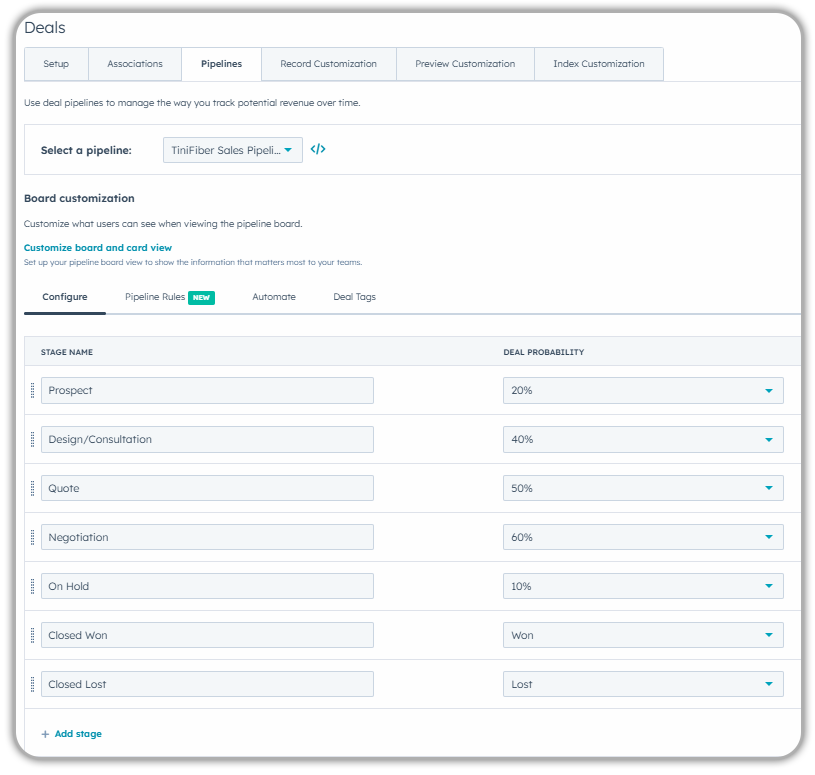
- Mapped their 5-stage sales pipeline (Discovery Call → Design/Consultation → Quote → Negotiation → Closed Won/Lost/On Hold) with stage definitions tied to real sales milestones, not arbitrary categories
- Created geographic territory assignments for all U.S. states, linking each region to specific sales managers so automated routing would work from day one
Part 2: Automating the Revenue Engine
- Built lead assignment workflows that automatically route new leads to the correct regional manager based on state-level geographic data, eliminating manual triage and territorial confusion
- Created deal stage automation that moves opportunities forward when specific actions occur; quotes synced from NetSuite trigger stage updates; purchase orders automatically close deals as won
- Configured the Prospecting workspace with lead pipeline automation, so sales-ready contacts become trackable leads without manual creation
- Set up email infrastructure (DKIM/SPF records, tracking code, CAN-SPAM footers) and standardized signatures for 16 team members to ensure every outbound touch is tracked and compliant
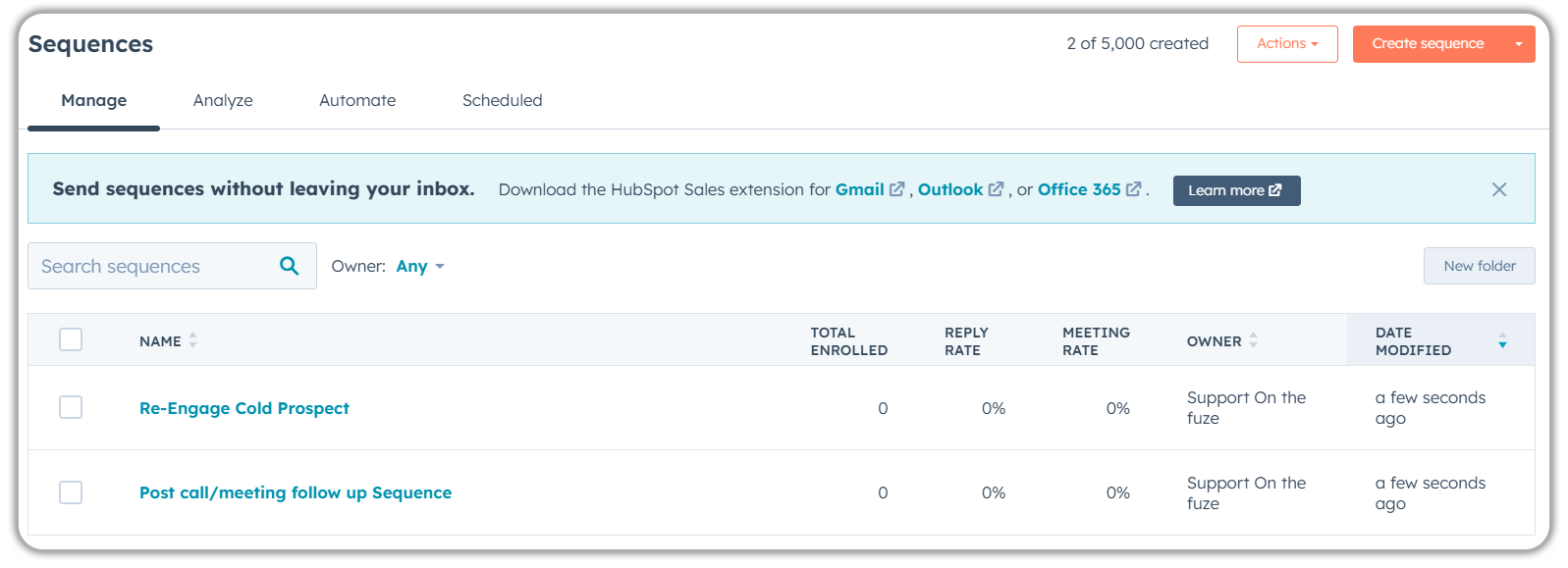
- Created two default sequences for consistent follow-up cadence, giving reps a starting framework they could customize for different buyer scenarios
×
×
Part 3: Giving Leadership Real-Time Visibility
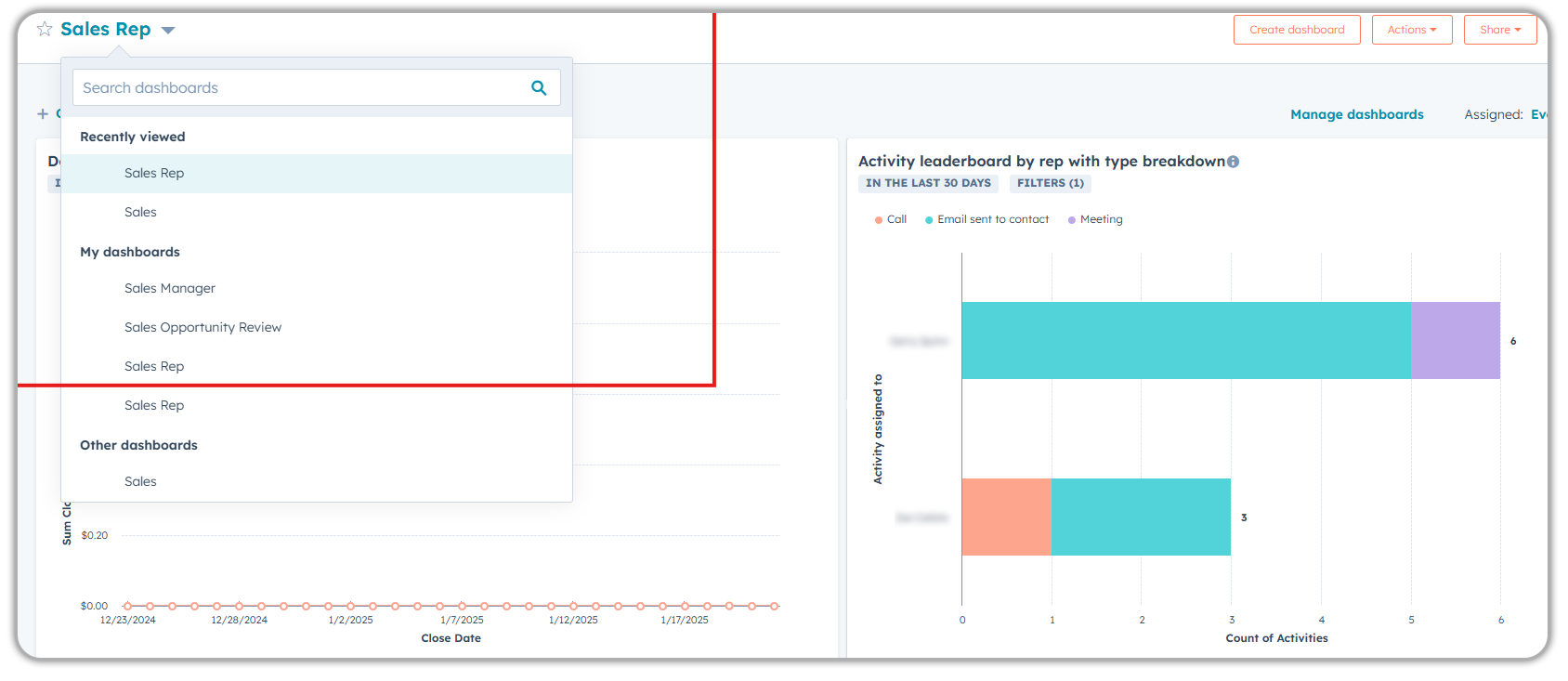
- Built two sales dashboards with 13 essential reports covering pipeline health, regional performance, rep activity, and deal velocity
- Designed reports around questions leadership actually asks: "Which deals are stuck?" "What's our close rate by region?" "Are reps following up after discovery calls?"
- Established lead and deal list structures that segment records by stage, owner, and activity so managers can intervene before problems compound
- Connected the system to NetSuite so quote and purchase order data flows back into HubSpot, creating a single source of truth for sales and finance teams
Results
Before: Leads sat unassigned for days. Regional managers manually checked the CRM each morning to claim new prospects. Leadership had no visibility into pipeline health without asking for manual reports.
After: Leads are automatically assigned to the right regional manager within minutes of capture. Sales activity is visible in real-time dashboards. Leadership can assess pipeline health without pulling data from the team. The CRM architecture is ready for NetSuite integration.
-
Financial Impact
- Reduced lead leakage: Automated geographic routing eliminated the lag between lead capture and assignment, ensuring high-value trade show prospects reach the right salesperson before competitors follow up
- Improved pipeline predictability: Real-time reporting on deal stages and velocity gave leadership confidence in forecasting, replacing gut-feel estimates with data-backed projections
-
Operational Impact
- Improved sales activity visibility: Dashboards tracking rep follow-up consistency and deal movement replaced weekly status meetings as the primary source of performance insight
- Reduced manual sales work: NetSuite-HubSpot automation eliminated the need to manually update deal stages when quotes move to purchase orders, giving reps hours back each week
- Clearer sales next steps: Mandatory field requirements and structured deal stages removed ambiguity about what information is needed to move an opportunity forward
-
Strategic Impact
- Real-time business visibility: Leadership can now check pipeline health, regional performance, and rep activity in seconds, enabling faster course corrections
- Growth-ready systems: The regional territory structure and automated assignment workflows can absorb new sales hires and geographic expansion without rearchitecting the CRM
- Integration-ready architecture: The field mapping and automation logic are structured to support NetSuite sync when the technical integration goes live, avoiding future rework
If your sales team operates across multiple regions, integrates with an ERP system, and leadership lacks real-time visibility into pipeline health, you're likely experiencing similar challenges.
The difference between a CRM migration and a revenue system is architecture, getting the foundation right so automation works reliably and reporting reflects reality.
Book a free consultation to discuss your specific situation.
Others Case studies
Fuel Distribution
Sales Hub |
Marketing Hub
11-50 Employees