How a Managed Service Provider Fixed Revenue Leakage and Sales Visibility to Scale Without Adding Headcount
Technology & Software 11-50 EmployeesSales Hub |
Service Hub
Background
Wildcard is a B2B managed service provider based in Canada serving small to mid-sized businesses with IT infrastructure and security solutions. As an MSP competing in a relationship-driven market, their ability to track referrals, demonstrate value to clients, and maintain visibility across their sales-to-service lifecycle directly impacts both revenue growth and client retention.
Problem
HubSpot sits at the center of their revenue operations, managing everything from initial lead qualification through post-sale delivery and account management.
Leads Disappeared Between Systems: Wildcard's website form collected lead data, but information wasn't flowing into HubSpot consistently. Contact records lacked company-level context like company size and prospect messages, making it impossible to route leads intelligently or prioritize high-value opportunities. Sales reps couldn't distinguish between a 10-user prospect and a 200-user enterprise opportunity at first glance. The cost: lost velocity on qualified leads and manual work reconstructing context before every sales conversation.
Sales Process Lived in People's Heads: Without structured pipelines or stage-specific automations, deal progression relied entirely on individual rep discipline. Technical discovery calls weren't consistently scheduled. Quote preparation had no enforced review checkpoints. Leadership couldn't see which deals required their attention until a rep flagged them manually. The result: inconsistent follow-up, stalled deals sitting untouched, and zero forecasting confidence for the leadership team.
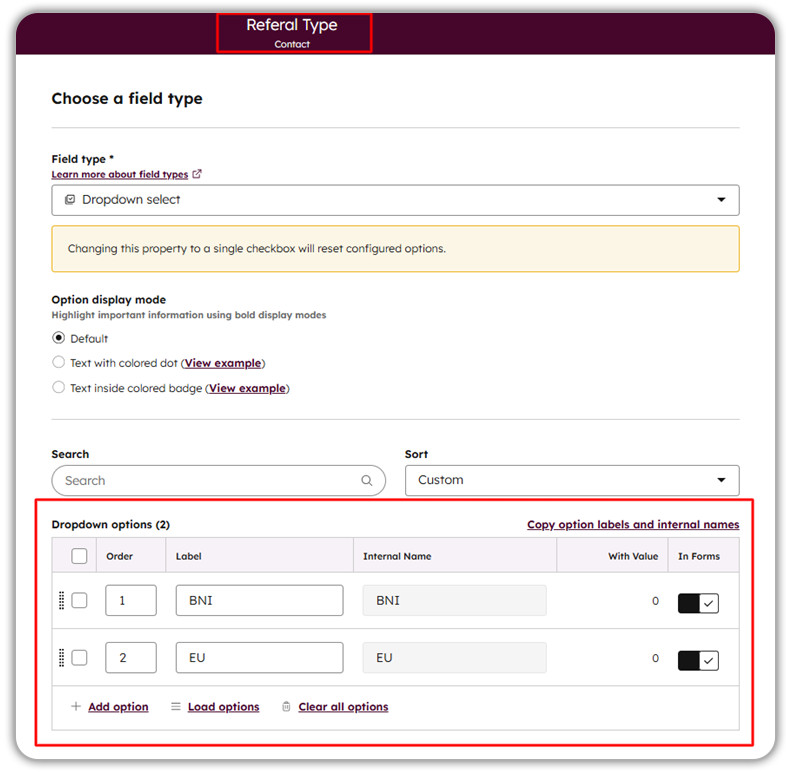
Referral Revenue Was Invisible: Wildcard generates significant business through referral networks like BNI, but they had no way to track which contacts came through which referral source or who referred them. This meant leadership couldn't measure ROI on their referral investments, sales couldn't prioritize warm introductions, and they lacked the data needed to nurture their best referral partners.
Solution
This wasn't a matter of turning on features. Wildcard's challenges required rethinking how data moved through their systems, how their team interacted with HubSpot daily, and what information leadership needed to make confident decisions.
×
Part 1: Data Architecture & Process Designs
Conducted process mapping sessions to document current workflows and identify gaps between their sales motion and HubSpot's configuration
Designed a two-pipeline structure (Leads → Deals) that separated qualification from active sales work, preventing premature deal creation
Built referral tracking infrastructure using custom properties and contact-to-contact associations to make referral attribution visible at the contact, deal, and reporting level
Created round-robin assignment logic based on company size to distribute leads fairly between small business and enterprise-focused teams
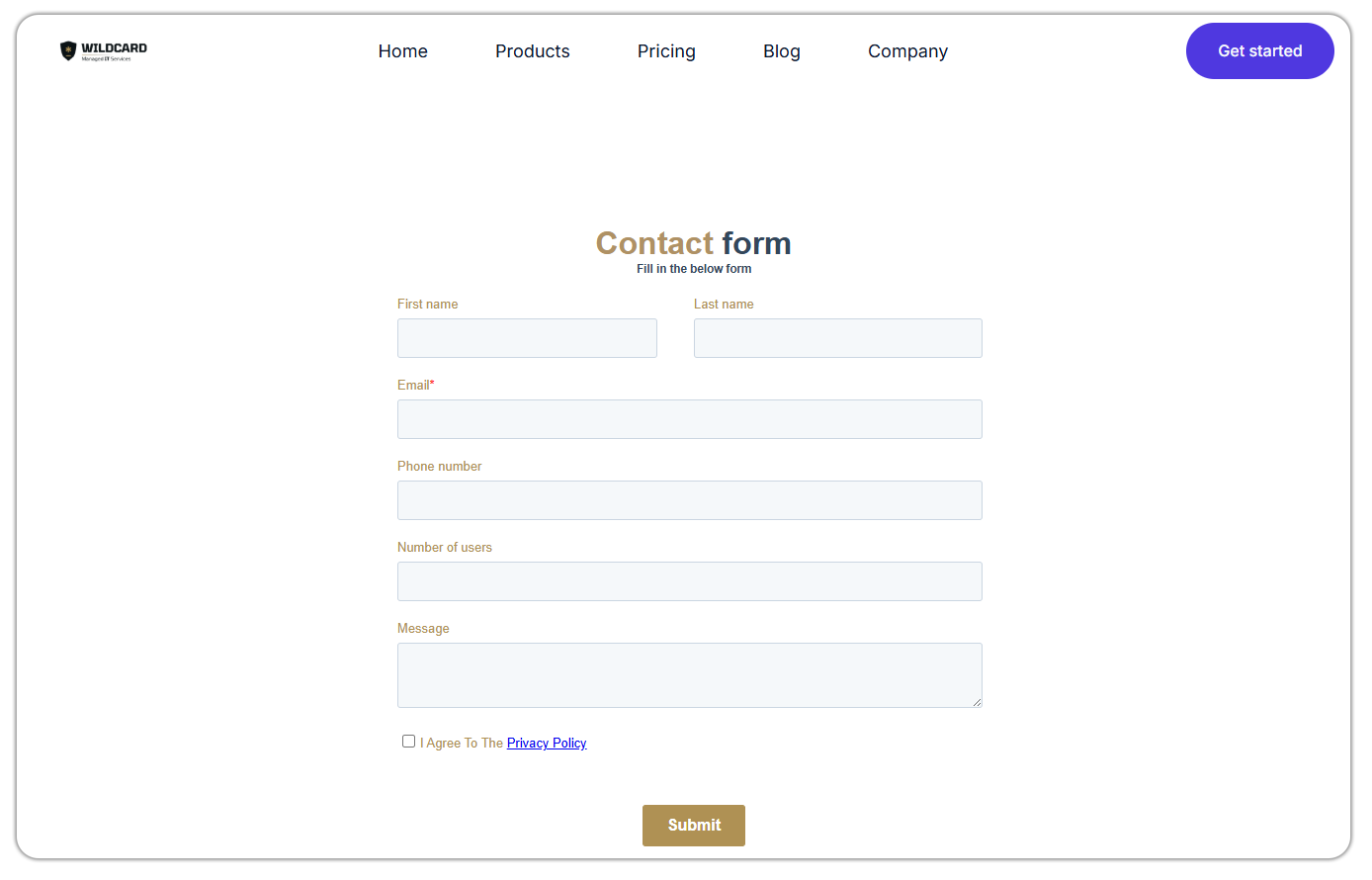
Configured form-to-company data sync so critical qualifying information (company size, prospect messages) automatically populated on both contact and company records
Part 2: Implementation & Adoption
Built automated lead creation triggered by form submissions and lifecycle stage changes, eliminating manual lead record creation
Configured seven-stage deal pipeline with conditional workflows that created stage-specific tasks (schedule discovery call, complete technical assessment, prepare quote, schedule proposal review)
Implemented time-tracking solution using native HubSpot app so sales reps could measure and report time spent on client activities by deal
Rebuilt website contact form as native HubSpot form to capture lead source data and enable proper tracking
Created custom deal properties to capture deal-specific context (system type, pain points, technical discovery requirements, leadership review flags) that informed next steps
×
×
Part 3: Control & Post-Sale Continuity
Created automated service record generation when deals closed, ensuring smooth sales-to-delivery handoff without manual record creation
Configured three-stage service pipeline (post-sale work, internal review, account transferred) to track delivery milestones
Built lifecycle stage automations that moved contacts to "Other" when flagged as internal team, partners, or vendors, keeping reporting clean
Set up leadership review workflow that automatically assigned deals requiring executive attention to the leadership owner
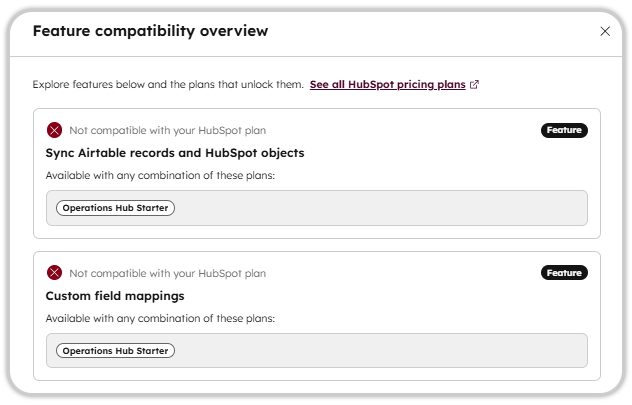
Integrated Airtable as source of truth for contact data with bidirectional sync, maintaining data integrity across systems
Results
Before: Lead data fragmented across systems. The sales process lived in individual reps' heads. Leadership made decisions based on anecdotal updates.
After: Unified revenue operations with automated routing, stage-based workflows, and real-time visibility into pipeline health and referral performance.
Financial Impact
Faster speed-to-lead: Automated lead creation and intelligent routing based on company size eliminated manual triage, getting high-value opportunities into the right rep's queue immediately.
Reduced lead leakage: Form-to-HubSpot integration and automated lifecycle stage management ensured no website inquiries disappeared between systems.
Improved pipeline predictability: Stage-based workflows with enforced checkpoints replaced rep discretion with consistent progression, giving leadership accurate forecasting data.
Clearer revenue attribution by channel: Referral tracking infrastructure using contact-to-contact associations made it possible to measure ROI on BNI and other referral investments.
Operational Impact
Reduced manual sales work: Automated lead creation, task generation at each deal stage, and service record creation on close eliminated hours of administrative work per week.
Improved follow-up consistency: Stage-triggered tasks ensured discovery calls, technical assessments, quote reviews, and proposal meetings happened on schedule rather than when reps remembered.
Clearer sales next steps: Deal properties and conditional workflows made it explicit what action each deal required and who owned it, removing guesswork from daily prioritization.
Faster sales rep onboarding: New reps inherit structured workflows, automated task creation, and clear stage definitions instead of learning through shadowing and tribal knowledge.
Strategic Impact
Real-time business visibility: Leadership can now see pipeline health, referral source performance, and sales-to-service transition points without asking for status updates.
Data-driven decision-making: Company size routing, referral source visibility, time-tracking data, and structured deal progression replaced anecdotal updates with objective performance metrics.
More repeatable processes: The two-pipeline structure (Leads → Deals) and stage-based automations created consistency that doesn't depend on individual rep discipline.
Increased ROI from HubSpot subscription: Native form replacement, time-tracking implementation, and Airtable integration maximized platform capabilities rather than adding external tools.
If you're running a service business where leads come from multiple sources, sales require multiple stakeholders, and post-sale delivery matters as much as closing the deal, you're likely facing similar visibility and consistency challenges.
We help companies like yours turn HubSpot into a reliable revenue system instead of an expensive contact database.





.svg)
.png?width=60&height=46&name=Vector%20(3).png)